
Choosing the right Wi-Fi hotspot software in Africa in 2026 is not the same decision it is in Europe or North America. The continent spans dozens of payment ecosystems from Safaricom M-PESA in Kenya to MTN MoMo across West and Central Africa, to PayFast and 1Voucher in South Africa. The router base is overwhelmingly MikroTik. Compliance frameworks differ by country. And unbanked cash-first customers are not an edge case – they are often the majority. The platform that works in London will not automatically work in Lagos, Nairobi, Johannesburg, or Juba.
South Africa represents the continent’s most sophisticated payment stack (PayFast, Netcash, 1Voucher, OTT Voucher, Paystack, DPO Pay, plus global card rails) combined with one of Africa’s strictest data protection regimes under POPIA, South Africa’s Protection of Personal Information Act, in force since 1 July 2021. But the operator challenge is fundamentally the same from Cape Town to Cairo: connect customers efficiently, collect payment in the method they actually have access to, and manage dozens of sites from one dashboard.
Powerlynx powers 400,000+ monthly Wi-Fi users for 200+ ISPs and operators across 25 countries, including seven named African deployments: Project Isizwe (1,002 hotspot sites across 8 SA provinces, 115 schools, 70,000+ learners), Inovi Tel (57 hotspots, Limpopo), Hutspot.co.za (coastal Western Cape), NET15 (OR Tambo, Eastern Cape), RedTech (KwaZulu-Natal), Speed Touch (12 locations, Damietta, Egypt), and CJIES City Wi-Fi (Juba, South Sudan). Built by the Splynx team – 10+ years operating ISP-billing software for 1,000+ internet providers worldwide.
This guide compares six platforms with serious African market presence across the criteria that actually matter on the continent: payment-gateway depth, MikroTik integration, multi-site pricing, and real-world African deployments.
What African buyers actually need from Wi-Fi hotspot software in 2026
African operators evaluate on criteria that rarely appear on global comparison checklists. The right platform for a Nairobi shopping-mall operator looks different from the right platform for a Lagos WISP or a Cape Town restaurant group but all share the same underlying requirements.
Payment rails that reach your actual customers
Africa’s payment landscape is fragmented by region. South African operators need PayFast (cards + Instant EFT), Netcash (EFT + debit orders), 1Voucher (cash-to-PIN at Shoprite, Checkers, PEP, Flash and Spar) and OTT Voucher for unbanked customers. East African operators (Kenya, Tanzania, Uganda) rely on Safaricom M-PESA and mobile-money aggregators. West and Central African operators need MTN MoMo (active in Ghana, Nigeria, Rwanda, Uganda, Cameroon, Zambia, and others). Multi-country operators across Africa use DPO Pay (17 countries including SA, Kenya, Uganda, Tanzania, Nigeria) and Paystack (Nigeria, Ghana, Kenya, SA, Côte d’Ivoire). Any platform that processes only cards leaves the majority of Africa’s market unreachable.
Data protection compliance
Data protection regulation is growing across Africa. South Africa has the most mature framework – POPIA (South Africa’s Protection of Personal Information Act), in force since 1 July 2021, with active enforcement by the Information Regulator since 2022. Every captive portal in SA must handle consent capture on the splash page, state lawful purpose, disclose retention periods, and support data-subject access rights. Other African markets are developing their own frameworks. The platform you choose must support configurable consent flows that operators can adapt to local requirements.
MikroTik-friendly architecture
MikroTik is the dominant router across African WISP and small-ISP networks. A hotspot platform that doesn’t integrate cleanly with MikroTik via standard RADIUS will stall deployments across the continent.
Multi-site cloud management
African MSPs and WISPs routinely manage 5-50 sites from one dashboard – often spanning multiple towns, districts or even countries. Per-AP or per-location pricing models become unaffordable at scale. The platform needs hierarchical access control and a pricing model that doesn’t multiply with location count.
Currency-realistic pricing
USD is the practical reference currency for most African operators, but billing in a local currency matters for budget approval and exchange-rate management. South African operators specifically need ZAR-denominated options or clear USD-to-ZAR conversion. For the rest of Africa, USD-billed platforms are standard but exchange-rate exposure must be factored in. Vendors quoting in EUR without conversion notes consistently lose African budget approval.
The six Wi-Fi hotspot platforms ranked for Africa in 2026
Rankings reflect African market fitness – payment-gateway depth across the continent, MikroTik integration, multi-site pricing, and documented African deployments. A platform that tops global charts can still fail an operator in Accra who needs MTN MoMo, or one in Nairobi who needs M-PESA.
1. Powerlynx – Best Overall for African ISPs, MSPs and Multi-Site Operators

Powerlynx is the strongest all-round choice for African multi-site operators. It ships 11 natively integrated gateways covering South Africa, Kenya, West Africa, Central Africa, and global card rails. Also integrates natively with MikroTik via an auto-generated setup script, and charges per concurrent online user, not per AP or per location.
Pricing
$100/month covers up to 400 concurrent users – unlimited APs, unlimited locations, all features included. $0.25 per concurrent user above that. 21-day free trial, every feature enabled, no credit card required. See the full pricing page.
African payment gateways
South Africa: PayFast (cards + Instant EFT), Netcash (EFT + debit orders), 1Voucher (Shoprite/Checkers/PEP/Flash/Spar), OTT Voucher.
East Africa: Safaricom M-PESA (Kenya).
West and Central Africa: MTN MoMo (Ghana, Nigeria, Rwanda, Uganda, Cameroon, Zambia, Benin and others).
Pan-African: DPO Pay (17 countries), Paystack (Nigeria, Ghana, Kenya, SA, Côte d’Ivoire).
Global: Stripe and PayPal for international visitors and tourists.
POPIA (South Africa)
Configurable consent prompts on the no-code splash page editor. Audit logs available via the public read-only API, including MAC, IP, and NAS columns for data-subject access requests. Retention-period controls and granular data-export tools for voucher reports.
Hardware
MikroTik first-class via native integration with auto-script setup. Also natively supports Cambium (cnMaestro), Ruckus, Teltonika, Cudy, Nokia, and any router supporting WireGuard, OpenVPN, IPSec VPN, or public-IP RADIUS.
Marketing
Built-in Wi-Fi advertising module (video and image ads on the captive portal), Target Groups segmentation, and mass SMS campaigns.
African case studies
Project Isizwe (SA – 1,002 hotspot sites, 8 provinces, 115 schools, 70,000+ learners), Inovi Tel (SA – 57 hotspots, Limpopo), Hutspot.co.za (SA – coastal Western Cape), NET15 (SA – OR Tambo, Eastern Cape), RedTech (SA – Durban, KwaZulu-Natal, 6 locations), Speed Touch (Egypt – 12 locations in Damietta), CJIES City Wi-Fi (South Sudan – community hotspots in Juba).
Pros
- 11 payment gateways, one account, every major African market covered
- Per-concurrent-user pricing that stays flat as you add locations across multiple countries
- MikroTik auto-script setup – under five minutes from router to live captive portal
- Seven named African case studies from South Africa, Egypt, and South Sudan
- Built by the Splynx team – 1,000+ internet providers worldwide on the underlying ISP-billing platform
Cons
- USD-billed – exchange-rate exposure for operators in ZAR, NGN, KES and other local currencies
- Minimum $100/month means very small single-site operators (<50 concurrent users) pay more than freemium alternatives
2. Hotwireless – Best SA-Built Choice for Hospitality and AI Concierge

Hotwireless is Cape Town-built and hospitality-first. It’s the strongest SA-local brand in this comparison – POPIA-compliant by default, priced transparently in ZAR, and the only platform here with a genuine AI concierge that takes drinks orders from the splash page to a POS system. Primarily an SA-market platform: its ZAR pricing and SA-specific compliance focus make it less suited to operators deploying outside South Africa.
Pricing (ZAR, ex-VAT per location/month)
- Traditional Captive Portal – R599
- aiWiFi Reputation (includes AI review routing) – R1,499
- aiWiFi Concierge (includes drinks-order POS integration) – R3,499; LLM usage billed extra
SA payments
Handled through partner integrations. Standard SA card and EFT rails supported. Specific gateway documentation for 1Voucher, OTT Voucher, and DPO Pay is less detailed than Powerlynx’s native integration pages. Limited African-market gateway coverage outside SA.
POPIA
POPIA-explicit consent flow built into the splash page by default – operators don’t configure it separately. The strongest built-in POPIA implementation in this comparison.
Named SA customers
43 Air School, In2Food, News Cafe, Seattle Coffee Co, Idols SA.
Pros
- Strongest SA-local brand – made in Cape Town, POPIA built in
- AI concierge is genuinely unique – no other platform in this comparison offers it
- Transparent ZAR pricing, no long-term contracts
Cons
- Primarily an SA platform – limited documented support for non-SA African payment gateways (no M-PESA, MTN MoMo, or DPO Pay native)
- Hospitality-led – not architected for ISP/WISP/MSP operator workloads
- Concierge tier (R3,499) scales expensively at multi-site deployments
3. Antamedia – Tenured Platform with the Largest Raw Gateway Count

Antamedia has been building hotspot software since 2006 and carries the largest raw payment-gateway integration count in this field – over 112 processors. It’s a credible option for operators who need an on-premise deployment or who transact across exotic payment processors not listed elsewhere. The challenge is pricing: per-AP billing scales poorly for African multi-site operators.
Pricing (EUR per AP/year)
- Cloud Core – €59/AP/year
- Cloud Premium – €99/AP/year, includes mobile-money billing
- Cloud Ultimate – €139/AP/year
- Business tier – from €499/year per property (up to 150 simultaneous users, unlimited APs)
- Enterprise – from €2,990/year. At 20 APs on Cloud Premium: ~€1,980/year
African payments
Netcash (SA) documented. PayFast not confirmed in the public gateway list, so verify directly with Antamedia sales. Broader Africa gateway access via iPay/Flutterwave routing; Paystack and M-PESA covered via those aggregator routes.
Pros
- Longest market tenure (since 2006) – proven global platform
- Largest raw gateway count (112+) – widest exotic-processor coverage
- On-premise deployment option – relevant for operators requiring local data residency
Cons
- Per-AP pricing breaks at scale: 20 APs at Cloud Premium ≈ €1,980/year; 50 APs ≈ €4,950/year
- PayFast native support not confirmed in the public gateway list
- No native ISP/WISP architecture (no RADIUS billing)
4. XceedNet – Africa-Focused with Multi-Country Coverage

XceedNet is an India-headquartered vendor with a dedicated Africa-specific page covering South Africa, Zimbabwe, Nigeria, Morocco, Tunisia, Sudan and Kenya. It positions itself as a cloud-based bandwidth management and hotspot platform for the African market.
Pricing
Quote-only. No published pricing on public pages.
Pros
- Multi-country Africa positioning – covers both North and Sub-Saharan Africa
- ISP-positioned product messaging
Cons
- India-headquartered (+91 contact) – no Africa-local support structure
- No documented African case studies or named African deployments
- No specific African payment gateway documentation publicly available
5. HSNM Hotspot Manager – Native PayFast + 1Voucher Support

HSNM Hotspot Manager stands out for its SA payment combination: native PayFast and 1Voucher at the platform level. It also lists M-PESA among its supported gateways, making it relevant for East African operators alongside SA ones.
Payments
PayFast, 1Voucher, M-PESA, Stripe, PayPal, Mollie, Authorize.NET, eWay, PaymentExpress, PayU.
Pricing
Per-AP model. Detailed pricing not published on public pages.
Pros
- Native PayFast + 1Voucher + M-PESA – covers SA and East Africa in one platform
Cons
- Less brand visibility than Powerlynx across Africa
- No documented African case studies or named deployments
6. MikroTik User Manager – Free but Doesn’t Scale

Every African WISP starts here. MikroTik User Manager is built into MikroTik RouterOS, ships free with the device, and is the single most-used hotspot solution in African WISP networks today – from Nigeria to Kenya to South Africa. It’s capable, reliable, and genuinely free. The reason every other platform in this comparison has to justify its cost.
Pricing
Free – included with every MikroTik router running RouterOS v7.
Pros
- Zero platform cost – no monthly fees
- Native MikroTik integration
- Full local control – data stays on your hardware
Cons
- No cloud management dashboard – every router managed individually
- No native payment gateways – M-PESA, PayFast, MTN MoMo require custom development
- No marketing module, no Wi-Fi advertising, no Target Groups, no mass SMS
- No compliance tooling – operator builds consent flows from scratch
- No support contract
Pricing comparison for typical African deployment sizes
The pricing gap widens dramatically as deployment size grows. The structural advantage of Powerlynx (charging per concurrent online user rather than per location or per AP) compounds at every scale level across Africa.
Single venue, 50 peak concurrent users
- MikroTik User Manager – free (no payment gateways, no cloud management)
- Hotwireless Traditional Portal – R599/month (~$33): cheapest viable SA-localised option with POPIA built in
- Powerlynx – $100/month: more capable, but more expensive at single-site, sub-50 user scale
- Antamedia Cloud Premium – depends on AP count (e.g. 5 APs = €495/year)
10 venues, 50 peak concurrent users each (500 total peak users)
- Powerlynx – $125/month: base $100 covers 400 users; 100 extra at $0.25 = $25 extra
- Hotwireless – R5,990/month (~$325): R599 × 10 locations
- Antamedia Cloud Premium – 10 sites × 5 APs = 50 APs = €4,950/year
- Powerlynx wins by roughly 2.5× over Hotwireless at this scale.
50 venues, 50 peak concurrent users each (2,500 total peak users)
- Powerlynx – $625/month: 400 users included + 2,100 extra at $0.25
- Hotwireless – R29,950/month (~$1,630): R599 × 50 locations
- Antamedia Cloud Premium – 250 APs = €24,750/year
- Powerlynx is approximately 5× cheaper than Hotwireless and dramatically cheaper than Antamedia at this scale.
The per-concurrent-user model is why scale-up doesn’t multiply the bill. See the Powerlynx pricing page for a full breakdown.
Data protection compliance: what African Wi-Fi operators need to know in 2026
Data protection regulation is expanding across Africa. South Africa has the most mature and actively enforced framework – POPIA (South Africa’s Protection of Personal Information Act), in force since 1 July 2021. Other African markets are developing equivalent frameworks. Every Wi-Fi operator collecting user data (name, email, phone, MAC address, or connection timestamps) needs a platform with configurable consent tooling.
What POPIA requires from SA captive portal operators:
- Consent prompt on the splash page – users must actively agree before connecting
- Lawful purpose stated – why you’re collecting data and what you’ll do with it
- Retention period disclosed – how long you’ll keep the data
- Data-subject access rights – users can request, correct or delete their records
- Cross-border transfer notification – if your platform is cloud-hosted outside SA, disclose this
How the platforms compare on compliance:
Powerlynx: configurable consent prompts in the no-code splash page editor, audit logs via the public read-only API (MAC, IP, NAS columns), granular data export, retention-period controls. SA operators configure POPIA compliance directly from the dashboard. Operators in other African markets can configure consent language for their own local requirements.
Hotwireless: POPIA-explicit consent flow built into the splash page by default — the most turnkey POPIA implementation in this comparison for SA hospitality operators.
Antamedia: generic GDPR-compatible contact-permissions feature. Configurable but not specific to any African compliance framework.
XceedNet, HSNM, MikroTik User Manager: compliance is built on top of the base platform by the operator. No native Africa-specific compliance tooling documented.
Which platform fits which African buyer profile
The right platform depends on your region, deployment scale, and revenue model. Powerlynx wins most scenarios at scale across the continent but there are genuine cases where other platforms are the better fit.
South African WISPs running MikroTik at 5-50 sites
Powerlynx. MikroTik-first integration, per-user pricing that doesn’t grow with location count, nine SA-specific payment gateways, and the paid Wi-Fi voucher solution that handles voucher generation and distribution across all sites from one dashboard. The full SA customer set on the use-cases page shows operators at every scale.
SA hospitality SMEs – cafés, restaurants, single-site hotels
Hotwireless. The AI concierge, POPIA-by-default splash page, ZAR-denominated billing, and the made-in-Cape-Town support team make it the natural choice for a venue operator who doesn’t need MikroTik scripts or RADIUS configuration. At R599/month for a single site, the cost is lower than Powerlynx’s $100 minimum.
East African operators – Kenya, Uganda, Rwanda, Tanzania
Powerlynx. The native Safaricom M-PESA integration covers Kenya’s dominant mobile-money rail. MTN MoMo covers Uganda, Rwanda, and broader East Africa. DPO Pay and Paystack complete the East African stack. All eleven gateways are available in one account – no separate integration needed per country.
West African operators – Nigeria, Ghana, Côte d’Ivoire
Powerlynx. Paystack (Nigeria, Ghana, Côte d’Ivoire) and MTN MoMo (Ghana, Nigeria, Cameroon, Benin) together cover the vast majority of West African payment preferences. DPO Pay adds card and aggregated mobile-money coverage across 17 countries. Speed Touch in Egypt demonstrates the voucher model is equally deployable in North Africa.
Township and community operators – unbanked cash-first markets
Powerlynx is the only platform in this comparison shipping both 1Voucher and OTT Voucher natively for SA townships – customers pay cash at a participating retailer and receive a Wi-Fi PIN. For community Wi-Fi outside SA, the MTN MoMo and DPO Pay integrations serve the same cash-first function via mobile money. The voucher business playbook covers the full revenue model.
MSPs adding Wi-Fi-as-a-Service across Africa
Powerlynx. Per-concurrent-user pricing means adding a new client site in a new African country doesn’t add a fixed monthly line item. White-label resources, hierarchical access control, and the full 11-gateway stack mean MSPs can offer a complete paid-Wi-Fi product across multiple African markets from one platform.
Real African operators winning on Powerlynx today
Eight named African operators run live Powerlynx deployments today – from national-scale South African municipal Wi-Fi to township WISPs, coastal community hotspots, Egyptian commercial Wi-Fi, and community internet in South Sudan.

Project Isizwe (South Africa) – Tshwane Free WiFi and partner programmes. 1,002 hotspot sites across 8 SA provinces, 115 schools, 70,000+ learners. The largest documented SA public Wi-Fi deployment.

Inovi Tel (South Africa, Limpopo) – 57 hotspot deployments across Limpopo. Uses MikroTik as primary router, paired with Cambium Networks, Cudy and Ruckus access points. Revenue from prepaid voucher sales and lead generation through login splash pages.
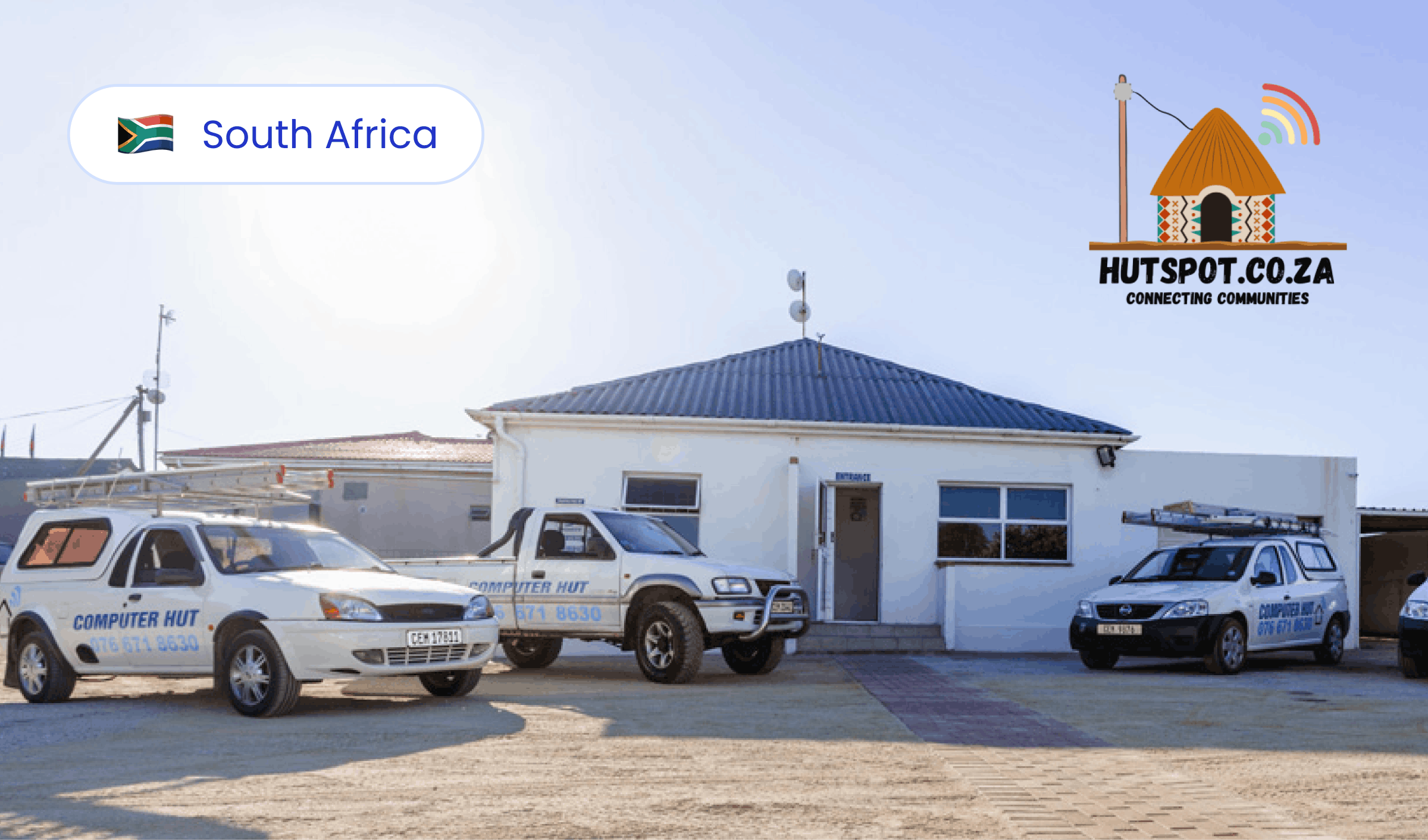
Hutspot.co.za (South Africa, Western Cape) – The Computer Hut, operating since 2013. Community Wi-Fi hotspots in Gansbaai, Stanford, Blompark, Pearly Beach, and surrounds in the Overstrand area. Underserved coastal communities connected via MikroTik hardware.
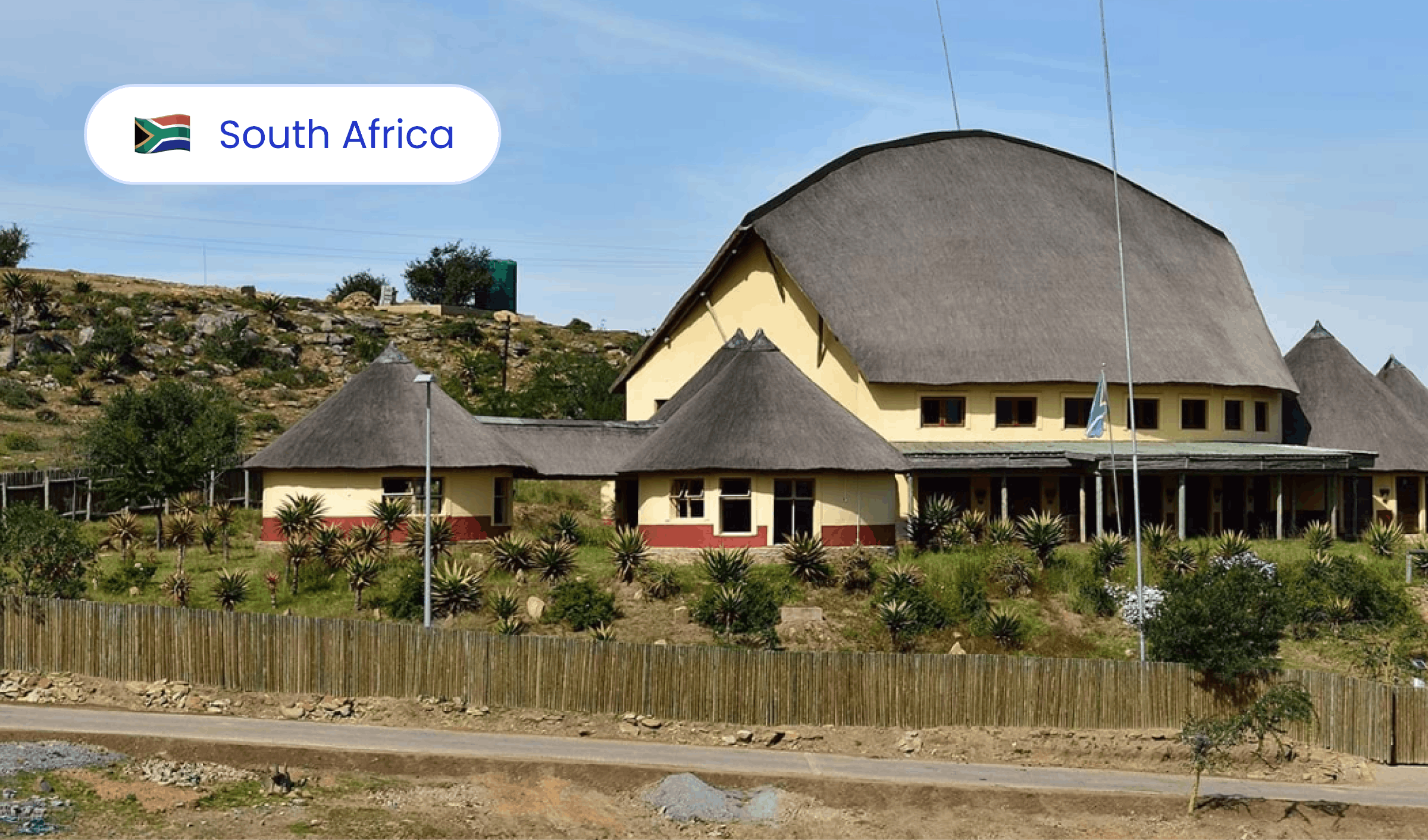
NET15 (South Africa, Eastern Cape) – Singa Tel (Pty) Ltd, trading as NET15. ICASA-registered, Level 1 BEE telecommunications provider with 10+ years of experience. Serves communities in Qumbu, Tsolo, and Mthatha in the OR Tambo district.

RedTech (South Africa, KwaZulu-Natal) – Durban-based ISP, 11 years of operation, 6 locations across KZN townships including Durban, Portlands, Khartoum, and Pietermaritzburg. Time-based unlimited Wi-Fi for township communities. Evaluated Antamedia and VulaCoin before choosing Powerlynx for unlimited hotspot capacity and simple MikroTik configuration.
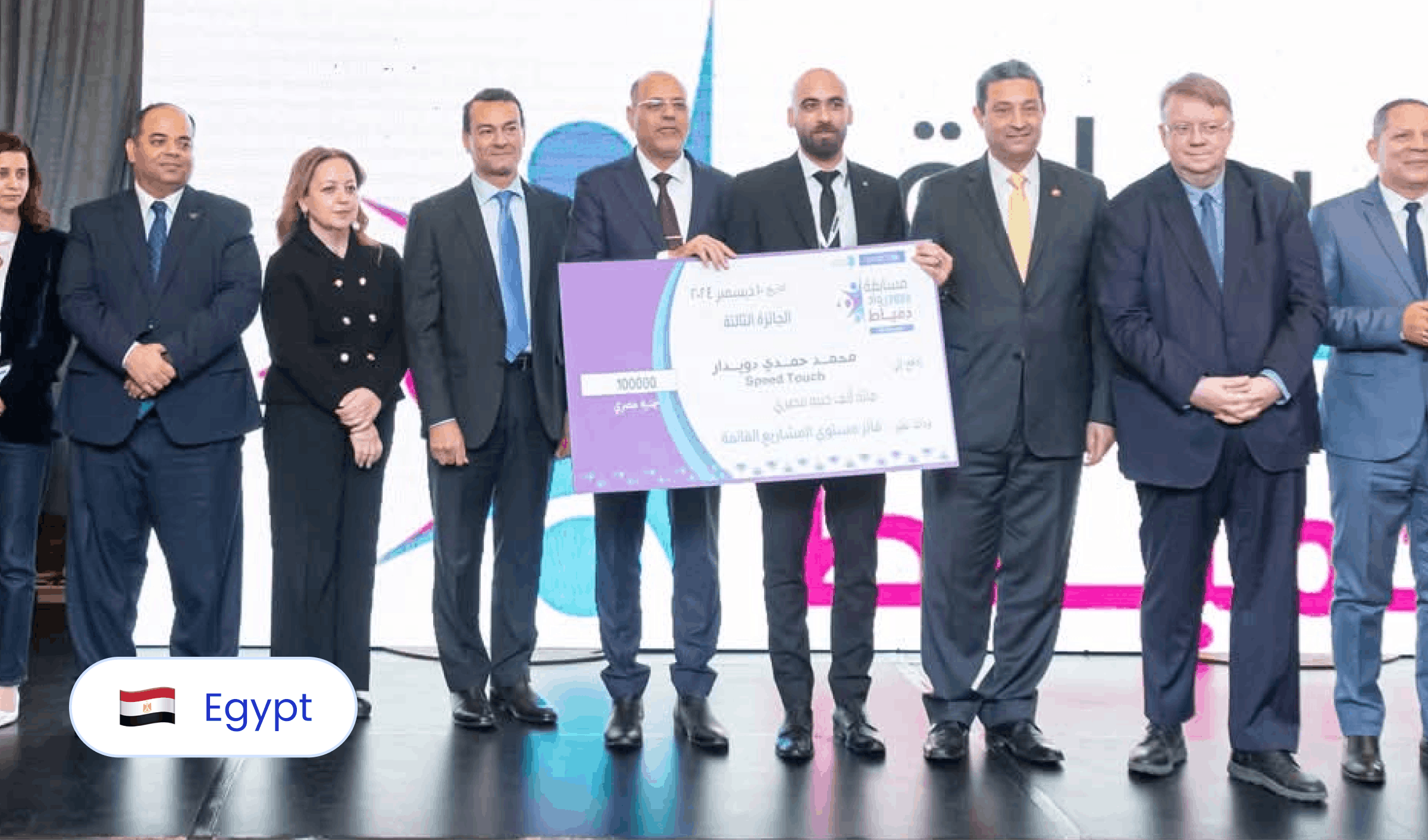
Speed Touch (Egypt, Damietta) – Egyptian ISP with 10+ years of operation across 12 locations: cafés, public streets, and the first Wi-Fi deployment in a shopping mall in the Nile Delta region. Revenue model: subscriptions, direct sales, and voucher-based access. In December 2024, Speed Touch received the Damietta Entrepreneurs Award for business innovation and operational excellence.

CJIES City Wi-Fi (South Sudan, Juba) – CJ Innovate Enterprise Solutions Ltd, a licensed ISP and enterprise technology provider established in Juba in 2020. The CJIES City Wi-Fi initiative delivers community hotspot internet across multiple locations in Juba, serving residential neighbourhoods, small businesses, students, and local organisations on a pay-as-you-go model. MikroTik hardware throughout.

Urban Connect Networks (Kenya, Nairobi region) – Kenyan ISP running 100+ hotspot points across 3 main locations under the Urban Mtaani project, targeting students, colleges, and communities across major Kenyan towns. Pay-as-you-go Wi-Fi sold direct to students, with splash-page advertising planned as a second revenue stream. Uses MikroTik throughout with Powerlynx RADIUS authentication for centralised management. Came to Powerlynx after two years on Splynx for PPPoE – the platform familiarity made the transition seamless.
Start your 21-day free trial – no credit card required
Powerlynx offers a 21-day free trial with every feature enabled and no credit card required. Connect any MikroTik in under five minutes using the auto-generated setup script and accept your first payment – PayFast, M-PESA, MTN MoMo, 1Voucher, or Paystack – the same day. Start your free trial.
Read also: Best Wi-Fi Hotspot Software in 2026 – the global comparison
Read also: African Payment Gateways for Guest Wi-Fi
Read also: How to Launch a Paid Wi-Fi Voucher Business
Frequently asked questions
What is the best Wi-Fi hotspot software for ISPs across Africa in 2026?
For multi-site African ISPs, WISPs, and MSPs, Powerlynx is the strongest choice – 11 natively integrated payment gateways covering South Africa, Kenya, West Africa, Central Africa, and global card rails, MikroTik-first integration, per-user pricing that stays flat as you add locations, and seven named African case studies including Project Isizwe’s 1,002 hotspot sites and operators in Egypt and South Sudan.
Which Wi-Fi hotspot platform supports M-PESA and MTN MoMo natively?
Powerlynx ships native integration for both Safaricom M-PESA (Kenya) and MTN MoMo (Ghana, Nigeria, Rwanda, Uganda, Cameroon, Zambia, Benin, and more) in the same account. Both are activated by adding merchant credentials on the integration page – no custom development required.
Which Wi-Fi hotspot platform supports both PayFast and 1Voucher natively?
Powerlynx ships native integration for PayFast (cards plus Instant EFT) and 1Voucher (cash-to-PIN through Shoprite, Checkers, PEP, Flash and Spar) in the same account. HSNM Hotspot Manager also supports both at platform level. Add merchant credentials on the integration page and the splash page displays both payment options automatically.
Is Powerlynx POPIA-compliant for South African operators?
Yes. Powerlynx supports POPIA compliance through configurable consent prompts on the no-code splash page editor, audit logs via the public read-only API (MAC, IP, and NAS columns), granular data-export controls in voucher reports, and retention-period configuration. SA operators control consent language and data-subject access workflows. POPIA is South Africa’s Protection of Personal Information Act, in force since 1 July 2021.
How much does it cost to start a Wi-Fi hotspot business in South Africa?
Under ZAR 3,500 in many cases: a used MikroTik router (ZAR 1,000-2,000), one access point, a free 21-day Powerlynx trial, and a PayFast merchant account (free to register). The Powerlynx base plan after trial is $100/month (~ZAR 1,840) covering up to 400 concurrent users. Inovi Tel scaled to 57 sites in Limpopo on this model.
Can I use MikroTik with Powerlynx across African markets?
Yes, MikroTik is Powerlynx’s most-deployed integration and the dominant router across African WISP networks. The MikroTik integration page provides an auto-generated terminal script: paste it into Winbox or SSH, the router connects to the Powerlynx cloud RADIUS endpoint, and your captive portal is live. This works across SA, Kenya, Egypt, Nigeria, and any other market where you have internet connectivity.
Which Wi-Fi hotspot software works with Shoprite 1Voucher and OTT Voucher?
Powerlynx is the only platform in this comparison shipping native integration for both 1Voucher (Shoprite, Checkers, PEP, Flash, Spar) and OTT Voucher on the same account. Customers pay cash at a participating retailer and receive a Wi-Fi PIN – no bank account required. HSNM also supports 1Voucher natively.
How do township operators monetise Wi-Fi in Africa?
Four patterns work across African markets: (1) retail cash-to-PIN – 1Voucher/OTT in SA, MTN MoMo in West/Central Africa, M-PESA in East Africa; (2) voucher plus advertising – free ad-supported tier, premium voucher-paid; (3) reseller margin – wholesale voucher batches to local shops; (4) subscription – monthly recurring packages, as demonstrated by Speed Touch in Egypt. See the full African payment-gateway playbook for regional configuration details.
Does Powerlynx work in rural African deployments?
Yes. Powerlynx’s hardware-agnostic architecture supports the rural African stack: MikroTik with long-range outdoor APs, Cambium PMP/cnPilot for backhaul, Cudy or Teltonika for industrial and remote sites. Any internet-connected router with a few Mbps and a public IP or NAT will connect. Hutspot.co.za operates in coastal Western Cape; NET15 covers the OR Tambo district; CJIES serves communities in Juba, South Sudan.
What is the cheapest Wi-Fi hotspot software for African SMEs?
For a single-site operator: MikroTik User Manager is free but has no payment gateways. Hotwireless Traditional Portal at R599/month is the cheapest SA-localised option with full POPIA and ZAR billing. For multi-site African operators (5+ sites), Powerlynx’s $100/month base (covering up to 400 concurrent users across unlimited sites) is the cheapest viable platform that includes the full African gateway stack, marketing tools, and white-label resources as standard.